
Furnace Out at Night? Your Webster Emergency HVAC Contractor Checklist
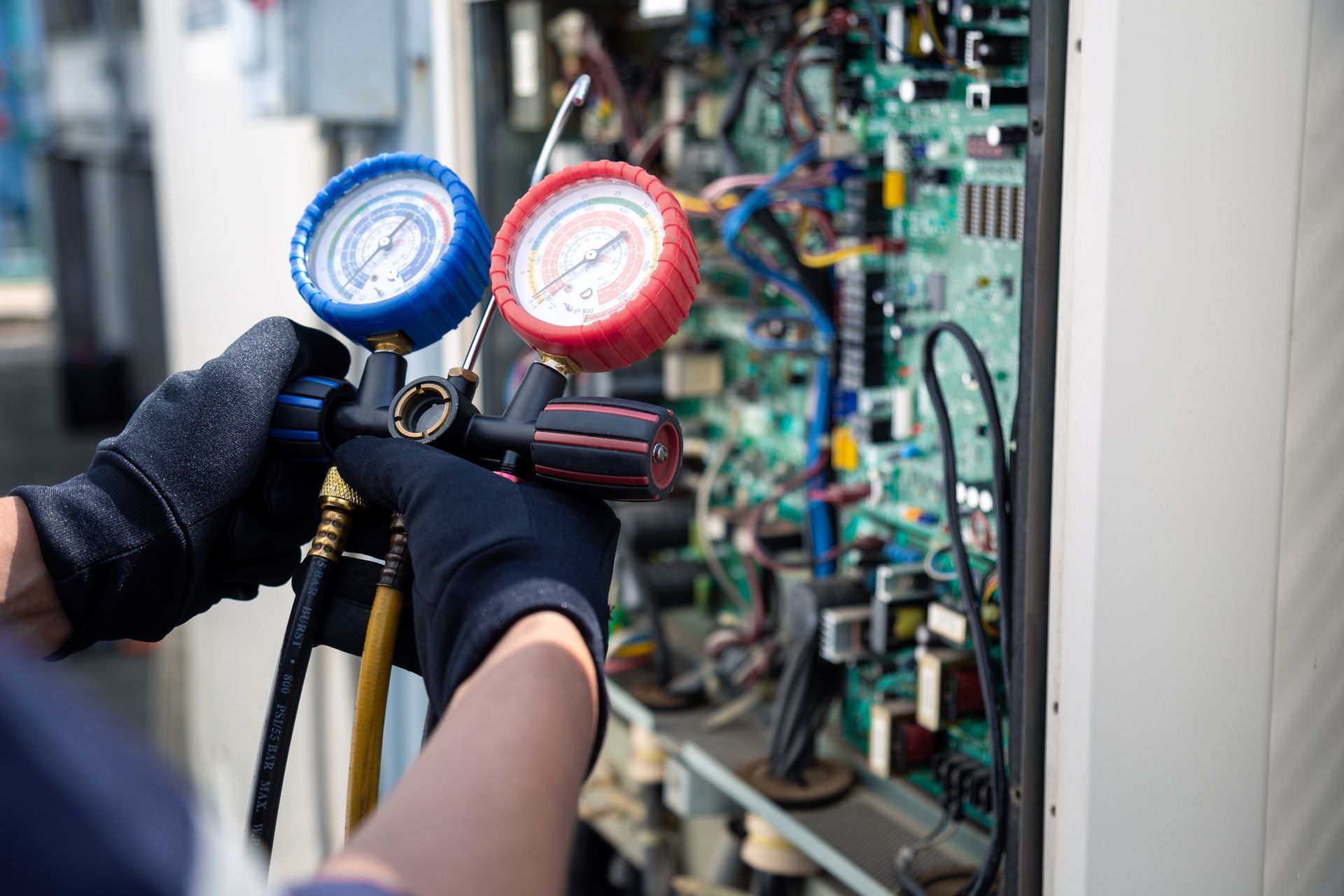
Losing heat on a winter night in Webster, NY, is a serious situation, and this checklist covers every step you should take before and after calling an emergency HVAC contractor.
Webster sits along the Lake Ontario shoreline in Monroe County, NY, where temperatures can drop sharply overnight from November through March. When your furnace goes out after dark, knowing when to call an emergency HVAC technician and what to do while you wait matters more than anything else.
Step 1: Do These Safe Checks Before You Call
Calling for help is the right move, but a quick scan of your home first can save time and sometimes even solve the problem.
Work through this list before you pick up the phone:
- Check your thermostat and confirm it is set to "heat" and the temperature is above the current room temperature.
- Replace the furnace filter if you can see it is heavily clogged, since a blocked filter can cause the system to shut itself off.
- Inspect your circuit breaker panel and reset any tripped breaker labeled "furnace" or "air handler."
- Look at the furnace power switch, which is usually mounted on the wall near the unit and resembles a light switch, and make sure it is in the "on" position.
- Check the furnace door or access panel to confirm it is fully closed, as many units will not run with a loose panel.
- Verify that all supply and return vents in your home are open and unblocked by furniture or rugs.
If none of these steps restores heat, it is time to call a professional emergency HVAC contractor. Do not try to open the heat exchanger or any sealed components.
When You Smell Gas or Suspect Carbon Monoxide, Leave Immediately
Gas odors and carbon monoxide are the two situations where you must act without hesitation.
If you smell rotten eggs or sulfur near your furnace, follow these steps right away:
- Do not turn any lights or switches on or off.
- Leave the front door open as you exit.
- Get every person and pet out of the home.
- Call 911 and your gas utility from a neighbor's phone or once you are away from the building.
- Do not re-enter until a first responder or gas company technician has cleared the property.
Carbon monoxide has no color and no smell, so you cannot sense it on your own, and that is what makes it so dangerous. Sudden headaches, dizziness, nausea, or confusion in you or your family can be signs of CO exposure. If anyone in your home has these symptoms and your CO detector is alarming, treat it as an emergency, just like a gas smell. An emergency HVAC contractor can find the source later, but your first priority is getting everyone out. Leave the home, call 911, and stay outside. A functioning CO detector on every floor is one of the most important safety tools in a Monroe County winter home.
When Should You Leave the Home Due to Cold?
You should plan to stay elsewhere if indoor temperatures drop below 55 degrees Fahrenheit, pipes are at risk of freezing, or any household member is elderly, an infant, or has a medical condition that makes cold exposure risky. Webster's older neighborhoods near Lake Road and the Ridge Road corridor can see windchills that accelerate heat loss in homes, so do not underestimate how fast a cold snap can make an unheated house unsafe.
What to Tell the Dispatcher When You Call
Calling an emergency HVAC contractor with the right information speeds up your service visit. Write these details down before you call:
- Your full address, including any gate codes or access notes.
- The brand and model of your furnace or heating system, found on the label inside the unit door.
- What the system is doing, such as not turning on at all, short-cycling, or making an unusual noise.
- Whether you smell anything unusual near the unit.
- How long the heat has been out and the current temperature inside the home.
- Whether you have already checked the thermostat, breaker, and filter.
The more clearly you describe the situation, the faster the technician can arrive prepared. Visit the contact page to reach dispatch directly online, or call 585-501-9100 for immediate assistance.
What Does an Emergency Heating Visit Include?
A trained technician serving Webster, NY, and the surrounding Monroe County area will typically arrive with a fully stocked service truck. The visit may include a full diagnostic of the furnace or heating system, testing of the heat exchanger for cracks, checking electrical connections and control boards, inspecting the flue and venting for blockages, and testing for safe carbon monoxide levels at the unit. A reliable emergency HVAC contractor does more than get your heat back on, and will confirm the system is running safely before leaving your home. Learn more about what is covered on our services page.
Keep Your Family Warm While You Wait
A professional is on the way. Here are safe ways to stay comfortable in the meantime:
- Use electric space heaters in one central room and keep doors closed to retain warmth.
- Layer blankets and gather family members and pets into one area.
- Open cabinet doors under sinks along exterior walls to reduce pipe freeze risk.
- Do not use a gas oven or charcoal grill indoors for heat, as both produce carbon monoxide.
- Keep the garage door closed if it is attached to the home.
Get Your Webster Emergency HVAC Covered Tonight
Furnace failures in Webster, NY, do not follow business hours, and neither should your help. Turnbull Heating & Air is a fifth-generation family company serving Monroe County with 24/7 emergency HVAC contractor response, any hour of the day or night. A live local employee answers every call and dispatches a certified technician directly to your home. Call
585-501-9100 now,
contact us online, or find us on Google at
Turnbull Heating & Air to request emergency service tonight.