
Heating and Air Conditioning Contractor Guide: Best Systems for Rochester, NY, Winters
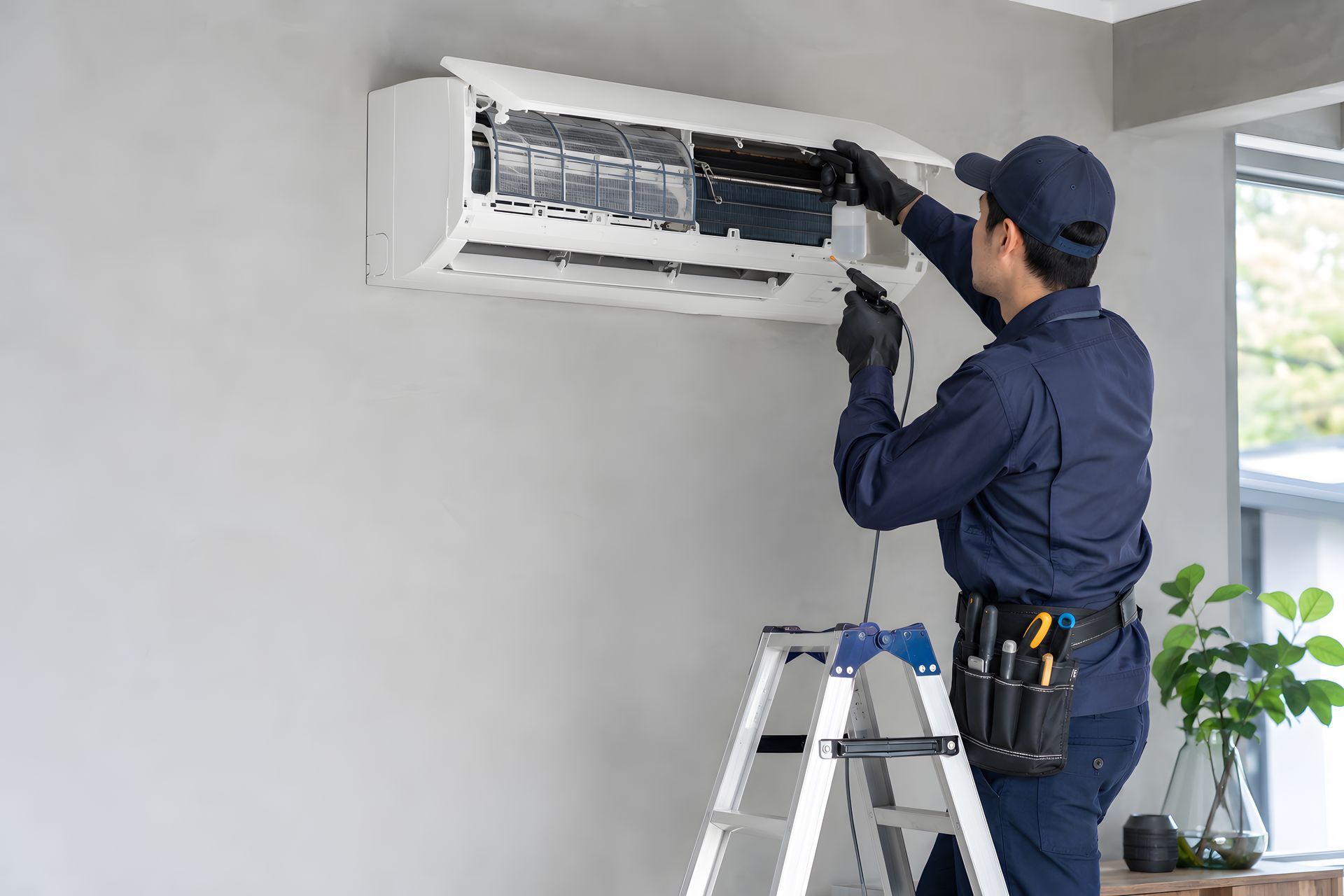
Rochester, NY, homeowners face some of the harshest winters in the Northeast, and choosing the right heating system is one of the most important decisions a homeowner can make. This guide explains which systems perform best in Monroe County's cold climate and what a qualified heating and air conditioning contractor can install and service to keep homes comfortable from October through April.
Why Rochester's Climate Makes System Selection So Important
Rochester's winters demand more from a heating system than almost anywhere else in New York State. The city sits close to the southern shore of Lake Ontario, making it especially vulnerable to lake-effect snow, where cold Canadian air picks up moisture over the lake before dropping it onshore.
Rochester averages around 100 inches of snow each winter. January temperatures typically hover between 14°F and 30°F, with cold waves pushing below 0°F nearly every year. Persistent winds off the lake make conditions feel even more punishing.
That sustained, deep cold means your system cannot be chosen lightly. A heating and air conditioning contractor serving Rochester, NY, will factor in design temperatures, your home's insulation, and existing infrastructure before recommending a system.
Gas Furnaces, Heat Pumps, and Ductless Mini-Splits Compared
Three primary systems suit Monroe County homes, each with real advantages and real limitations.
Gas Furnaces
Gas furnaces remain one of the most reliable options for Rochester winters. Unlike heat pumps, furnaces create heat through combustion, making them highly effective even when temperatures plummet below zero. They respond quickly, heat a whole home fast, and typically last 15 to 20 years because they have fewer moving parts exposed to weather.
For homes already connected to natural gas in neighborhoods like Pittsford or Penfield, a high-efficiency furnace is often the most straightforward upgrade. Look for units with an Annual Fuel Utilization Efficiency (AFUE) rating of 95% or above, meaning nearly all fuel burned becomes usable heat.
Cold-Climate Heat Pumps
Any heating and air conditioning contractor will tell you that modern cold-climate heat pumps now operate in temperatures as low as 0°F, a dramatic improvement over older models. A heat pump serves double duty as both a heating system and an air conditioner, reversing operation in warmer months to cool your home.
For Rochester homeowners, a cold-climate-rated heat pump may handle most of the heating season comfortably, but a backup heat source adds reliability during the deepest cold snaps. Many contractors recommend a dual-fuel setup that pairs a heat pump with a gas furnace, switching automatically based on outdoor temperature. Compare models using the Heating Seasonal Performance Factor (HSPF2) rating, which reflects real-world cold-weather efficiency better than SEER alone.
Ductless Mini-Splits
Ductless mini-splits are an excellent fit for older Rochester homes without existing ductwork, room additions, or areas needing zoned comfort. They eliminate up to 30% of energy losses typically associated with ductwork and avoid conditioning rooms no one is using.
Mitsubishi's Hyper-Heat line is rated to operate efficiently well below 0°F, making it a legitimate option for Monroe County winters. In areas with prolonged subzero temperatures, pairing a ductless mini-split with a supplemental heat source ensures consistent comfort. Mini-splits also cool in summer, making them a true year-round solution where central ductwork is not practical.
What Efficiency Ratings Should Rochester Homeowners Prioritize?
For gas furnaces, AFUE is the number to watch. For heat pumps and mini-splits, HSPF2 (heating) and SEER2 (cooling) matter most. A unit with a high SEER2 but poor cold-ambient output can disappoint Rochester homeowners in January and February, so judge cold-climate suitability by HSPF2 and the unit's low-ambient capacity.
Rebates, incentives, and tax credits are currently available for qualifying energy-efficient systems and can meaningfully reduce the total investment. A trusted heating and air conditioning contractor can help identify which programs apply and assist with the paperwork.
Frequently Asked Questions
How Long Does a Gas Furnace Last in Rochester's Climate?
According to ASHRAE, the median service life is about 18 years. Annual maintenance and prompt repairs help maximize that lifespan.
How Long Do Ductless Mini-Splits Last?
Ductless mini-splits typically last 15 to 20 years. Routine maintenance is the most important factor in reaching that upper range.
How Often Should I Schedule HVAC Maintenance?
Biannual maintenance is the standard: once before cooling season and once before heating season begins each fall.
Can a Heat Pump Handle Rochester Winters on Its Own?
Most cold-climate models perform well down to 13 degrees below zero, but a heating and air conditioning contractor will usually recommend a backup heat source for added reliability during Rochester's deepest cold snaps.
Ready to Find the Right System for Your Home?
Choosing the right system for a Rochester winter is not a one-size-fits-all decision. Your home's size, duct layout, fuel access, and budget all factor into the best answer. The experienced team at Turnbull Heating & Air installs and services gas furnaces, cold-climate heat pumps, and Mitsubishi ductless mini-split systems throughout the Rochester area, including Batavia, Brockport, Canandaigua, and Webster.
To get expert guidance on which system fits your Monroe County home, contact the team today or explore the full range of heating and cooling services available. Call (585) 501-9100 to speak with a local Turnbull employee who can answer your questions and schedule a visit.